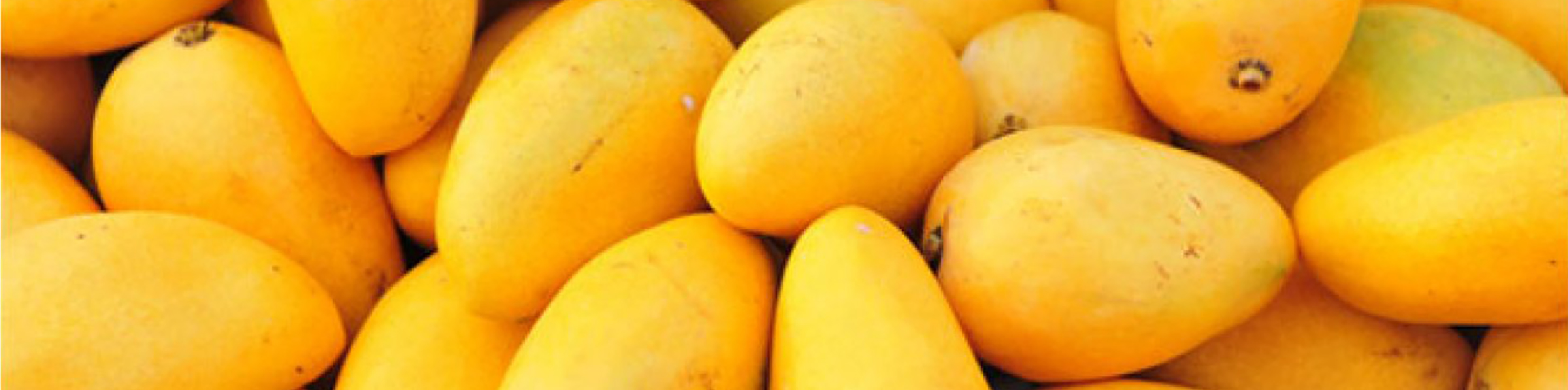


Worldwide demand for fruit is opening new doors for companies that process food. Frozen mango, especially is commonly added to smoothies, juices, desserts, yogurt, baked goods and ready‑to‑eat dishes. In countries that grow mangoes turning mangoes into frozen mango chunks, diced frozen mango and frozen mango slices can lower post‑harvest waste and lengthen the sales period.
Is a frozen mango processing business profitable?
Yes a frozen mango processing business can be profitable if the cost of materials the efficiency of processing the quality of the product and the demand, in the market are all managed well. Still profit is not assured. Those who want to invest must look at the amount of money needed how many frozen mangoes can be made, how much it costs to run the plant and who the customers will be before they start a factory.
This guide shows the factors that decide how profitable a frozen mango processing business can be and how to set up a production line that works well.
1. Why Is Frozen Mango Processing a Business Opportunity?
Fresh mangoes are seasonal fruits with a limited shelf life. During peak harvest seasons, large quantities of mangoes may enter the market within a short period, putting pressure on fresh fruit prices.
Processing mangoes into frozen products provides several business advantages.
Year-Round Product Supply
Freezing allows mango processors to preserve products for distribution beyond the fresh mango season. This makes it easier to supply food manufacturers, supermarkets, restaurants, and distributors throughout the year.
Multiple Product Applications
Frozen mango products are used in many food industries, including:
- Smoothie and juice manufacturers
- Ice cream and frozen dessert producers
- Yogurt and dairy product manufacturers
- Bakery and confectionery companies
- Hotels, restaurants, and catering businesses
- Frozen fruit wholesalers and retailers
Value-Added Processing
Instead of selling only fresh mangoes, processors can produce ready-to-use frozen mango chunks, cubes, slices, and other customized products. These products offer convenience to industrial buyers who need consistent ingredients.
Reduced Seasonal Market Pressure
Purchasing mangoes during the harvest season and processing them into frozen products can help businesses manage seasonal supply fluctuations. However, storage, electricity, and inventory costs must be considered.
2. What Factors Affect the Profitability of a Frozen Mango Processing Business?
Profitability depends on more than the selling price of frozen mangoes. Several operating factors directly influence the final return on investment.
Raw Mango Purchasing Cost
Raw mangoes are usually one of the largest production expenses.
The purchasing price depends on:
- Mango variety and quality
- Harvest season and local supply
- Distance between farms and the factory
- Purchasing volume
- Fruit maturity and processing suitability
Buying directly from mango farms or establishing long-term supply agreements can help reduce procurement costs and maintain a stable supply of raw materials.
It is also important to select mango varieties suitable for freezing. Good color, flavor, texture, and processing yield help improve the quality of the finished product.
Processing Yield
Processing yield refers to the percentage of usable mango product obtained from the incoming fresh fruit.
Mangoes require washing, peeling, destoning, trimming, and cutting before freezing. Some weight is lost during these operations.
For example, if a factory purchases 1,000 kg of fresh mangoes, the final weight of frozen mango products will be lower than the original raw material weight.
Therefore, investors should calculate the actual processing yield when estimating production costs and selling prices.
Improving peeling accuracy, reducing unnecessary trimming, and selecting suitable raw materials can help minimize product losses.
Electricity and Operating Costs
A frozen mango factory requires continuous refrigeration during freezing and storage.
Major operating expenses include:
- Electricity for IQF freezers and refrigeration systems
- Water consumption for mango washing
- Labor costs
- Packaging materials
- Equipment maintenance
- Cold storage expenses
- Transportation and logistics
Among these factors, freezing and cold storage can represent significant long-term operating costs.
Choosing energy-efficient freezing equipment and designing an appropriate production layout can help control operating expenses.
Product Quality and Selling Price
Product quality has a direct influence on market competitiveness.
International buyers often pay attention to:
- Mango variety and origin
- Product size and cutting consistency
- Natural color and flavor
- Texture after thawing
- Freezing quality
- Packaging specifications
- Food safety and quality certifications
High-quality IQF mango chunks and dices can help processors target food manufacturers, distributors, and export markets with specific product requirements.
3. What Equipment Is Needed for a Frozen Mango Processing Line?
An efficient frozen mango processing line is essential for controlling labor costs, improving product consistency, and increasing production efficiency.
A typical industrial frozen mango production line includes the following equipment:
1. Mango Washing Machine
Mango washing machine in an industrial fruit processing factory
Fresh mangoes are washed to remove dirt, dust, and surface impurities before further processing. An efficient washing system helps prepare the fruit for hygienic processing.
2. Mango Sorting and Inspection Conveyor
Industrial mango sorting and inspection conveyor
Workers inspect mangoes and remove damaged, rotten, or unsuitable fruit. Proper sorting helps maintain consistent raw material quality.
3. Mango Peeling and Destoning Machine
Commercial mango peeling and destoning equipment
The peeling and destoning stage removes mango skin and seeds, leaving the edible flesh for further processing. The equipment configuration depends on mango variety, fruit size, and required product shape.
4. Mango Cutting and Dicing Machine
Automatic mango cutting and dicing machine producing mango cubes
The mango flesh is cut into different shapes, such as cubes, chunks, or slices, according to customer requirements.
Consistent cutting dimensions are important for product appearance, freezing performance, and packaging.
5. IQF Freezer
Industrial IQF individual quick freezing tunnel for mango cubes
The IQF freezer is one of the most important machines in a frozen mango processing line.
Individual Quick Freezing rapidly freezes mango pieces while helping keep individual pieces separate. This makes it easier for manufacturers and consumers to handle, weigh, and use frozen mango products.
6. Frozen Mango Packaging Machine
Automatic frozen mango weighing and packaging machine
After freezing, mango products are weighed and packed according to customer requirements. Common packaging options include bulk bags, foodservice packs, and retail packages.
7. Cold Storage System
Industrial frozen fruit cold storage warehouse
Finished frozen mango products are stored under suitable frozen conditions to maintain product quality before shipment.
A complete frozen mango processing line connects these machines into an integrated production system, helping manufacturers improve processing efficiency and product consistency.
4. How Much Does It Cost to Start a Frozen Mango Processing Business?
The investment required depends on production capacity, automation level, equipment configuration, factory infrastructure, and cold storage requirements.
The main investment categories include:
| Investment Category | Main Expenses |
|---|---|
| Processing equipment | Washing, sorting, peeling, cutting, and IQF freezing machines |
| Factory infrastructure | Workshop construction, drainage, flooring, and food-grade facilities |
| Refrigeration system | IQF freezer, cold storage, and refrigeration equipment |
| Packaging system | Weighing, filling, sealing, and labeling machines |
| Utilities | Electricity, water supply, and backup power |
| Installation | Equipment installation, commissioning, and training |
| Working capital | Raw mango purchasing, labor, packaging, and logistics |
Investors should also consider local food safety regulations, certification requirements, maintenance costs, and distribution expenses.
The best investment strategy is to select equipment based on actual production requirements rather than purchasing the largest production line available.
For a more detailed investment breakdown, read our related guide: Frozen Mango Processing Plant Cost.
5. How to Improve the Profitability of a Frozen Mango Factory
A profitable frozen mango processing business requires effective cost control and a reliable production strategy.
Here are five practical ways to improve business performance.
1. Purchase Mangoes During the Harvest Season
Build relationships with local mango growers and suppliers. Seasonal purchasing agreements can help secure sufficient raw materials at competitive prices.
2. Choose the Right Production Capacity
Select a production line according to available raw material supply, expected orders, and target market demand.
An oversized production line may increase initial investment and operating expenses, while insufficient capacity may limit business growth.
3. Improve Processing Automation
Automated washing, peeling, cutting, conveying, and packaging equipment can reduce repetitive manual operations and improve production consistency.
The appropriate automation level depends on labor availability, production volume, and investment budget.
4. Reduce Product Loss During Processing
Optimize peeling, trimming, cutting, and freezing operations to improve the amount of saleable finished product obtained from each kilogram of fresh mangoes.
5. Expand Product Categories
A factory does not have to rely exclusively on frozen mangoes.
Depending on market demand and equipment configuration, processors can consider expanding into other frozen fruits, such as pineapple, papaya, strawberry, and passion fruit.
Using a flexible processing facility can help improve equipment utilization outside the mango harvest season.
6. Is IQF Frozen Mango a Good Investment?
IQF frozen mango is an attractive product option for processors targeting industrial food manufacturers, foodservice companies, and frozen fruit distributors.
Compared with conventional block freezing, IQF technology is designed to freeze individual mango pieces separately.
Its main advantages include:
- Individual mango pieces are easier to handle and portion.
- Consistent product sizes support industrial applications.
- Frozen mango cubes are convenient for smoothies, desserts, and food manufacturing.
- Bulk packaging can serve industrial buyers, while smaller packages can target retail markets.
- Quick freezing helps maintain the characteristic quality of mango pieces when properly controlled.
However, IQF equipment requires a higher initial investment and careful control of freezing conditions. Investors should evaluate the expected production volume and sales channels before choosing an IQF system.
7. How to Calculate the Profit of a Frozen Mango Processing Business
Before purchasing equipment, investors should prepare a detailed financial feasibility analysis.
A basic calculation can help estimate the potential profitability of a frozen mango factory.
Step 1: Calculate Daily Production Output
Daily frozen mango output = Daily fresh mango input × Processing yield.
For example, if a factory processes 5,000 kg of fresh mangoes per day, the finished product quantity will depend on the actual peeling, destoning, trimming, and processing yield.
Step 2: Calculate Total Production Cost
Total production cost includes:
- Fresh mango purchasing
- Labor
- Electricity and water
- Packaging materials
- Equipment maintenance
- Refrigeration and cold storage
- Transportation and other operating expenses
Step 3: Calculate Sales Revenue
Sales revenue = Finished frozen mango quantity × Selling price per kilogram.
The selling price depends on product quality, mango variety, cutting specifications, packaging, destination market, and contract terms.
Step 4: Estimate Operating Profit
Operating profit = Sales revenue − Total operating expenses.
To calculate the actual return on investment, investors should also account for equipment depreciation, financing costs, taxes, and initial capital expenditure.
A detailed financial model should use local mango purchasing prices, processing yield, energy consumption, and confirmed customer quotations rather than relying on general industry averages.
8. Choose the Right Frozen Mango Processing Line for Your Business
Starting a frozen mango processing business requires more than purchasing individual machines. A well-designed production line should match the factory’s raw material supply, production targets, product specifications, and budget.
GELGOOG provides industrial fruit and vegetable processing solutions, including equipment for mango washing, sorting, peeling, cutting, freezing, and packaging.
Whether you are planning a small-scale frozen mango production facility or a large industrial processing plant, selecting the right equipment configuration can help improve production efficiency and control operating costs.
Our team can help you develop a customized frozen mango processing line based on:
- Required processing capacity
- Mango variety and raw material specifications
- Desired products, including mango cubes, chunks, and slices
- Automation requirements
- Factory layout and available space
- Local electricity and refrigeration conditions
Ready to start your frozen mango processing business?
Contact GELGOOG to discuss your project requirements and get a customized frozen mango processing line solution.