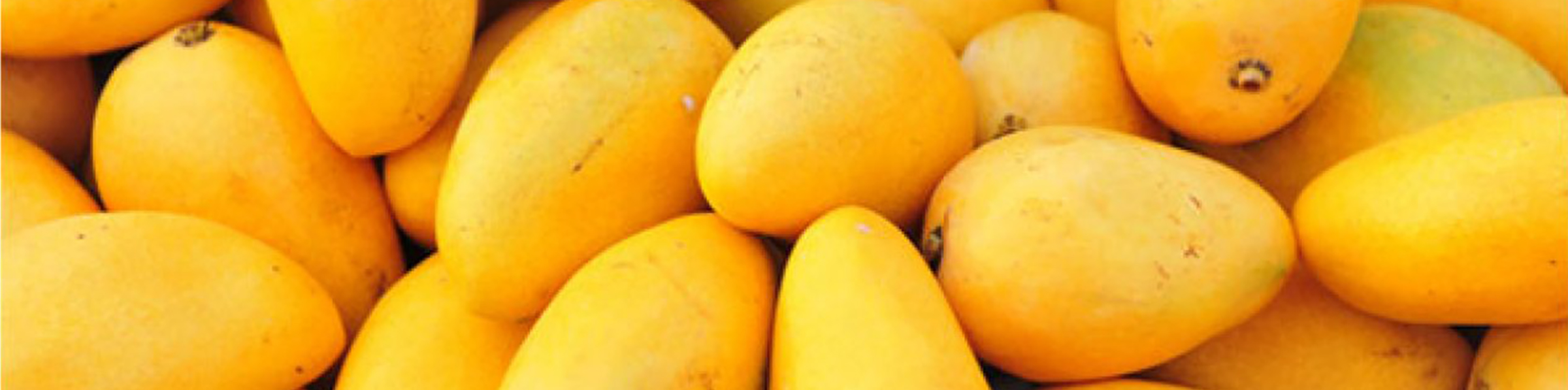


Mango processing businesses need efficient, consistent, and hygienic equipment to handle large quantities of fresh mangoes. A suitable mango cutting machine can help reduce manual labor, improve cutting consistency, increase production efficiency, and prepare mangoes for further processing.
However, choosing the right machine is not simply about selecting the fastest model. Production capacity, mango varieties, cutting requirements, product application, automation level, and factory conditions all need to be considered.
This guide explains the key factors to consider when choosing the best mango cutting machine for your business.
What Is a Mango Cutting Machine?
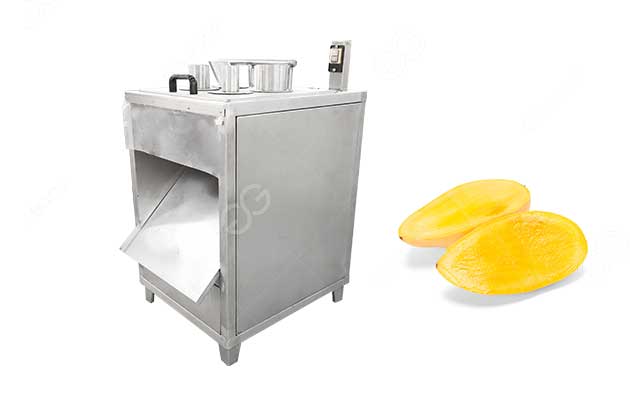
A mango cutting machine is industrial food processing equipment designed to cut mangoes into specific shapes and sizes. Depending on the machine design and production requirements, mangoes can be processed into slices, cubes, pieces, or other customized shapes.
Commercial mango cutting machines are commonly used in:
- Fresh-cut mango production
- Mango fruit processing plants
- Frozen mango production
- Mango drying and dehydration
- Mango juice and puree processing
- Canned mango production
- Fruit salad and ready-to-eat food production
For large-scale production, a mango cutting machine can be integrated with other equipment to create a complete automated mango processing line.
Why Use a Mango Cutting Machine?
Manual mango cutting can be slow and labor-intensive, especially when processing several tons of fruit per day. Industrial equipment provides several advantages.
1. Higher Production Efficiency
An industrial mango cutting machine can process a large volume of mangoes continuously, making it suitable for commercial production.
2. Consistent Cutting
Machine cutting provides more consistent product sizes and shapes than manual processing. This is particularly important for frozen mango, dried mango, fresh-cut fruit, and other products where appearance and portion size matter.
3. Reduced Labor Costs
Automating the cutting process reduces dependence on manual workers and can help manufacturers control labor costs as production increases.
4. Improved Hygiene
Food-grade stainless steel construction and machine-based processing can help create a cleaner and more controlled processing environment.
5. Easy Integration
A mango cutting machine can be connected with conveyors, mango washing machines, peeling machines, grading machines, drying equipment, freezing equipment, and packaging machines to create a complete processing solution.
7 Factors to Consider When Choosing a Mango Cutting Machine
Not every mango processing business has the same requirements. Before purchasing a machine, consider the following factors.
1. Production Capacity
Production capacity should be one of the first considerations.
A small fruit processor may only need a few hundred kilograms per hour, while a large processing plant may require several tons per hour.
Before selecting equipment, determine:
- How many mangoes need to be processed per hour?
- How many working hours are required each day?
- What is the expected future production capacity?
- Will the machine be used independently or as part of a processing line?
Choosing a machine with insufficient capacity can create a production bottleneck. On the other hand, purchasing equipment that is significantly oversized may increase the initial investment unnecessarily.
2. Mango Variety and Size
Different mango varieties can vary considerably in size, shape, flesh firmness, and pit characteristics.
These differences can affect cutting performance.
When selecting a commercial mango cutting machine, provide the equipment manufacturer with information about your mangoes, including:
- Mango variety
- Average fruit weight
- Fruit diameter and length
- Ripeness
- Flesh firmness
- Average daily processing volume
A machine should be tested with the actual mango variety whenever possible before finalizing the equipment configuration.
3. Desired Cutting Shape
The final product determines the cutting method you need.
For example, your business may require:
- Mango slices
- Mango cubes
- Mango chunks
- Mango pieces
- Halves
- Customized cuts
If the mango will be used for drying, freezing, canning, or fresh-cut products, the required cutting size may be different.
Therefore, communicate the final product specifications before purchasing a mango cutting machine.
4. Automation Level
Automation is another important factor for commercial processors.
A basic machine may require more manual feeding and adjustment, while an automated processing system can connect multiple stages through conveyors and automatic controls.
For a large mango processing factory, a typical production line may include:
Mango Receiving → Washing → Grading → Peeling → Cutting → Processing → Drying/Freezing → Packaging
The appropriate automation level depends on your production volume, labor availability, budget, and desired production efficiency.
5. Machine Material and Food Safety
Food processing equipment should be designed for safe and hygienic food production.
When evaluating mango cutting equipment, pay attention to:
- Food-grade stainless steel construction
- Contact parts and cutting components
- Ease of cleaning
- Drainage design
- Maintenance accessibility
- Corrosion resistance
- Food safety requirements
For commercial applications, hygienic machine design is particularly important because mango residue and juice can accumulate around processing components if equipment is difficult to clean.
6. Cleaning and Maintenance
A mango cutting machine should not only perform well during production but also be easy to clean and maintain.
Before purchasing, ask:
- How easy is the machine to disassemble?
- How frequently do cutting components need maintenance?
- How easy is it to replace wearing parts?
- Are spare parts readily available?
- How long does routine cleaning take?
Simple maintenance can reduce downtime and improve the long-term operating efficiency of the machine.
7. Total Investment Cost
Price is important, but the cheapest mango cutting machine is not always the most economical choice.
Consider the total cost of ownership, including:
- Equipment purchase price
- Installation
- Shipping
- Electricity and water consumption
- Labor requirements
- Spare parts
- Maintenance
- Production capacity
- Expected service life
A machine with a higher initial price may provide better value if it offers higher productivity, lower labor requirements, and more reliable operation.
Mango Cutting Machine vs. Manual Cutting
For small-scale operations, manual cutting may appear to be a low-cost option. However, as production volume increases, manual processing can become a major limitation.
| Factor | Manual Cutting | Industrial Mango Cutting Machine |
|---|---|---|
| Production capacity | Low | High |
| Cutting consistency | Depends on operator | More consistent |
| Labor requirement | High | Lower |
| Processing efficiency | Limited | High |
| Large-scale production | Difficult | Suitable |
| Integration with production line | Limited | Easy |
For commercial mango processors, automation becomes increasingly valuable as production volume grows.
How Does a Mango Cutting Machine Fit into a Processing Line?
A mango cutting machine is often only one part of a complete mango processing system.
A typical commercial mango processing line may include:
1. Mango Washing
Removes dirt and contaminants from the surface of fresh mangoes.
2. Mango Grading
Sorts mangoes according to size, weight, or quality before further processing.
3. Mango Peeling
Removes the mango skin when the final product requires peeled mango flesh.
4. Mango Cutting
Cuts mangoes into the required slices, cubes, chunks, or pieces.
5. Further Processing
Depending on the final product, the cut mango can be dried, frozen, canned, pulped, or packaged.
This integrated approach can reduce manual handling and create a more efficient production workflow.
How Much Does a Mango Cutting Machine Cost?
The price of a mango cutting machine depends on several factors, so there is no single price suitable for every application.
Important factors include:
- Machine capacity
- Cutting method
- Degree of automation
- Machine material
- Configuration
- Additional conveyors
- Customized cutting requirements
- Integration with other processing equipment
For an accurate quotation, it is better to provide the supplier with your required capacity, mango variety, desired cutting size, and final product.
Questions to Ask Before Buying a Mango Cutting Machine
Before placing an order, ask the manufacturer:
- What is the actual processing capacity?
- Can the machine process my mango variety?
- What cutting sizes are available?
- Can the cutting specifications be customized?
- What level of automation is available?
- What material is used for food-contact parts?
- How is the machine cleaned?
- What spare parts are included?
- Can the machine be integrated into a complete mango processing line?
- Can the supplier provide a test run using my mangoes?
These questions can help you compare different machines based on actual production requirements rather than price alone.
How to Choose the Right Mango Cutting Machine for Your Business
The best mango cutting machine is the one that matches your actual production requirements.
Before making a purchase, clearly define:
Capacity: How many kilograms or tons of mangoes do you need to process per hour?
Product: Do you need mango slices, cubes, chunks, or another cutting shape?
Raw Material: What mango varieties, sizes, and ripeness levels will you process?
Automation: Do you need a standalone machine or a fully integrated processing line?
Budget: What is your total investment range?
Future Growth: Will your production volume increase in the next few years?
Once these factors are clear, an equipment manufacturer can recommend a suitable machine configuration.
Conclusion
Choosing the right mango cutting machine is an important decision for any commercial mango processing business. Production capacity, mango characteristics, cutting specifications, automation, hygiene, maintenance, and total operating costs should all be evaluated before purchasing.
For small operations, a compact cutting machine may be sufficient. For larger factories, an industrial mango cutting machine integrated with washing, grading, peeling, cutting, drying, freezing, or packaging equipment can provide a more efficient solution.
The most important step is to match the machine with your actual mango processing requirements rather than choosing equipment based only on price or rated capacity.
If you are planning a new mango processing project or upgrading an existing production line, providing your mango variety, required capacity, cutting size, and final product can help determine the most suitable equipment configuration.
FAQ
What is the best machine for cutting mangoes?
The best machine depends on your production capacity, mango variety, desired cutting shape, and level of automation. Commercial processors should select equipment based on their actual production requirements.
Can a mango cutting machine cut different sizes?
Many industrial mango cutting machines can be configured for different cutting specifications. The available sizes depend on the machine design and cutting system.
Is a mango cutting machine suitable for small businesses?
Yes. Smaller-capacity equipment can be suitable for small and medium-sized processors, while high-capacity machines are designed for large commercial production.
Can a mango cutting machine be integrated into a complete production line?
Yes. A mango cutting machine can be connected with washing, grading, peeling, drying, freezing, processing, and packaging equipment to create an integrated mango processing line.
What information should I provide when requesting a quotation?
You should provide the mango variety, raw material size, required capacity, desired cutting shape and size, final product, and preferred automation level. This allows the manufacturer to recommend a more suitable configuration.