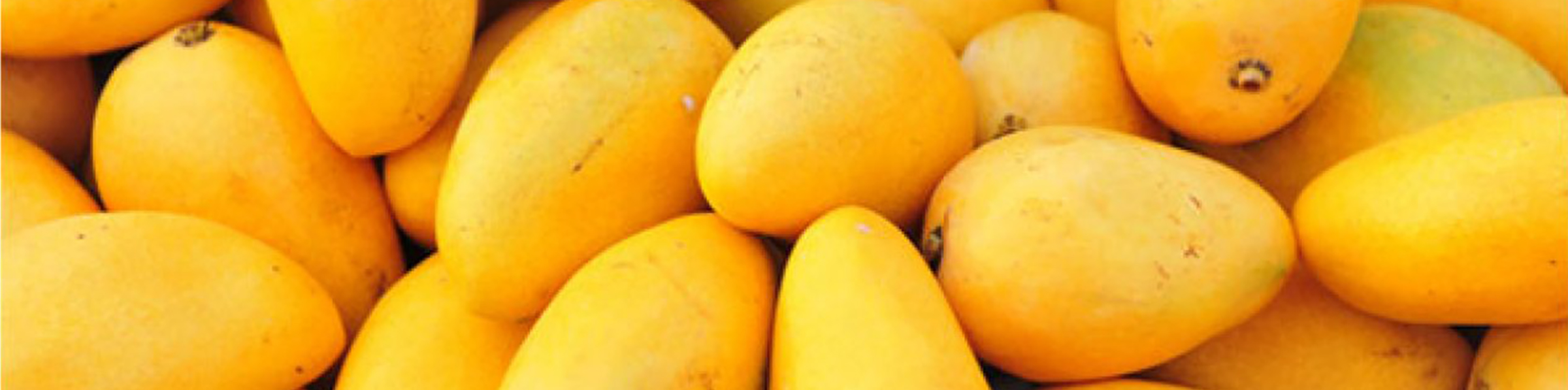


Thailand is one of the world’s major mango-producing countries, with mango cultivation mainly concentrated in central and northeastern regions. Its favorable geographical location and climate conditions provide an ideal environment for mango growth. In recent years, the Thai mango processing industry has developed rapidly, playing an increasingly important role in the mango supply chain. Below is an introduction to mango processing plant in Thailand:
Mango Varieties and Raw Material Supply
Thailand boasts a rich variety of mangoes, with over 300 cultivars. Among them, Nam Dok Mai (NMD), Chok Anan, and Maha Chanok are some of the more popular varieties. NMD is the most famous mango variety in Thailand, known for its sweet, delicate texture and pleasant aroma, making it the top choice for fresh consumption. Chok Anan, with its sweet flavor and fibrous flesh, is ideal for dried mango products. Maha Chanok mangoes are frequently used in canned and freshly squeezed fruit products, while Kaew mangoes are commonly used for pickling. These mango varieties provide abundant raw materials for processing plants.
Processing Technologies and Products
Frozen Mango Processing: Frozen mangoes are one of Thailand’s key mango processing products. After being peeled, sliced, and packed, frozen mangoes are preserved using freezing technology. To prevent browning, processors often add preservatives such as sweetened lime juice. Thailand’s frozen mango processing technology is relatively mature, capable of effectively preserving the flavor and nutritional value of mangoes. These products are widely used in the food and beverage industries, such as for making mango smoothies and desserts.
Dried Mango Processing: Dried mangoes are another popular mango processing product in Thailand. Mangoes are sliced and dried using traditional sun-drying or modern dehydration equipment. During the drying process, the moisture content is reduced to extend shelf life. Thai dried mangoes are sweet and chewy, available in various flavors such as sweet and spicy, and are loved by consumers in many countries. According to a report by Research and Markets, Thailand exports 6% of the world’s dried mangoes.
Canned Mango Processing: Thai canned mangoes account for over 59% of global exports. Mangoes are peeled, sliced, and sealed in cans with syrup. The sealed cans undergo sterilization to ensure long-term preservation. Thai canned mangoes retain the original flavor and texture of fresh mangoes and are convenient to store and transport, making them suitable for both household consumption and the foodservice industry.
Mango Juice and Nectar Processing: By extracting juice from mangoes and adding water, sugar, and other ingredients, mango juice and nectar are produced. These beverages are rich in vitamins and other nutrients, quench thirst, and satisfy taste buds. Mango juice concentrates from Thailand are highly regarded in international markets for their excellent quality.
Pickled Mango Processing: Thai pickled mangoes, such as Ma-Muang Bao Chae-Im (MBC), are unique and flavorful. The production process involves sequential brining and immersion in hypertonic sugar solutions. The pickled mangoes undergo metabolic profile changes during processing, resulting in esters and alcohols that contribute to their distinct flavor characteristics.
Market Demand and Industry Outlook
Domestic Market Demand: Mangoes are deeply ingrained in Thai dietary culture. Thais consume both fresh mangoes and processed mango products, with a preference for green, unripe mangoes. Processed mango products such as dried mangoes and pickled mangoes are popular snacks in Thailand. Additionally, mangoes are widely used in the catering industry, such as in mango sticky rice, mango salads, and other dishes.
In summary, mango processing plant in Thailand play a vital role in the mango industry. Leveraging the country’s abundant mango resources and advanced processing technologies, they produce a wide range of mango products that meet domestic and international market demands. However, the industry also faces challenges such as climate instability and cost pressures. To achieve sustainable development, Thai mango processing plant must continuously innovate and upgrade their technologies, strengthen waste management, and enhance product quality and competitiveness.
We specialize in providing a full set of mango processing equipment and technology from pre-processing to finished product packaging for global mango processing companies. We are well aware of the key challenges of mango processing – how to maximize the retention of flavor and nutrition, increase yield, reduce losses, improve efficiency and ensure product safety. Whether you are planning to build a new plant, upgrading an old line, or need to replace a key single machine, you can contact us +8618595613260 at any time.