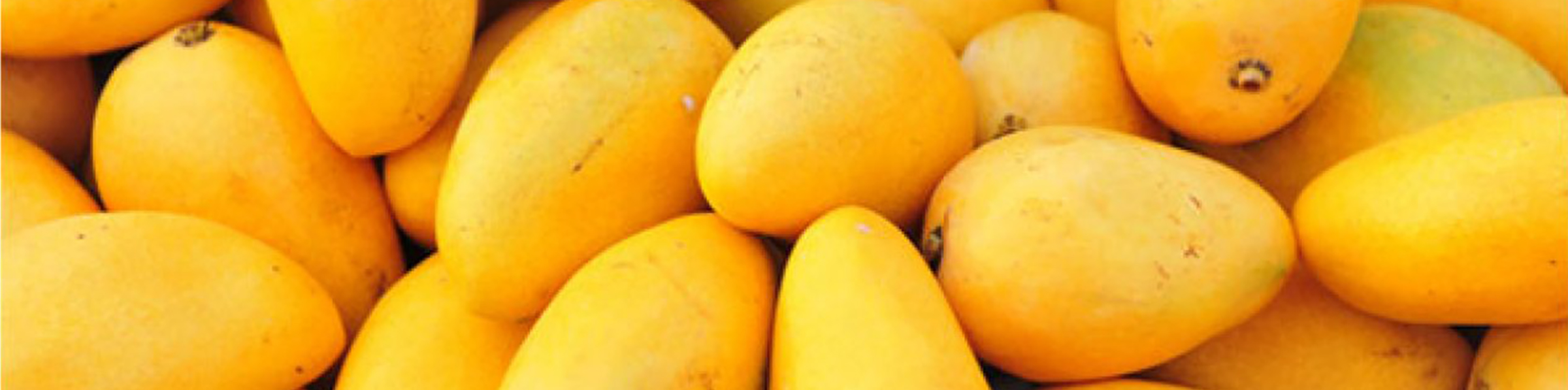


The mango juice production process enables the creation of mango juice with a consistently stable flavor and superior quality. Given the ever-increasing consumer demand for fruit-flavored beverages, investing in the construction of a mango processing production line is undoubtedly a prudent business decision.
Why Invest in Mango Juice Production?
Renowned for its delicious taste and rich nutritional value, mango juice is widely loved by consumers across the globe and appeals to people of all ages. Compared to selling fresh mangoes directly, processing them into juice can significantly enhance profit margins.
Mango Juice Production Process (Step-by-Step)
- Mango Sorting
Fresh mangoes are selected to remove damaged or unripe fruits, ensuring product quality. - Washing and Cleaning
Mangoes are washed using bubble washing machines to remove dirt and pesticide residues. - Peeling and Destoning
The peel and seeds are removed to obtain clean mango pulp. - Pulping and Refining
Mango flesh is processed into smooth pulp using a pulping machine. - Mixing and Homogenization
Water and sugar are added, and the mixture is homogenized for a smooth texture. - Pasteurization
The juice is heated to eliminate bacteria and extend shelf life. - Filling and Packaging
The finished juice is filled into bottles or cartons using automatic filling machines.
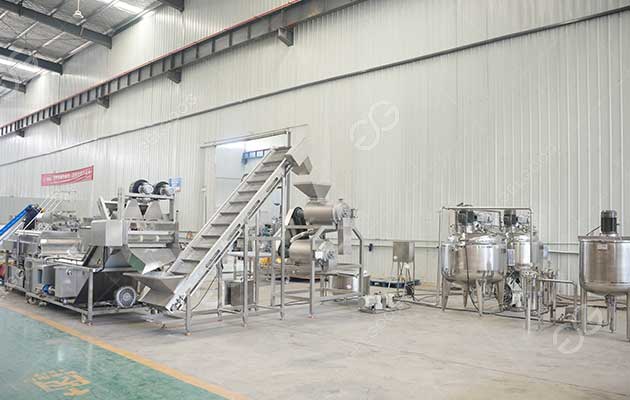
Advantages of Mango Juice Production Line
High efficiency and automation
Food-grade hygienic design
Stable product quality
Energy-saving operation
Customizable capacity
How to Choose the Right Equipment?
When selecting a mango juice production line, consider capacity, automation level, factory space, and budget.
Profitability of Mango Juice Business
Mango juice production can increase profits by 2–5 times compared to selling fresh mangoes. It is an ideal investment for food processing entrepreneurs.
Conclusion
Understanding the mango juice production process helps you build a successful juice business. A modern automated production line ensures efficiency, quality, and profitability.