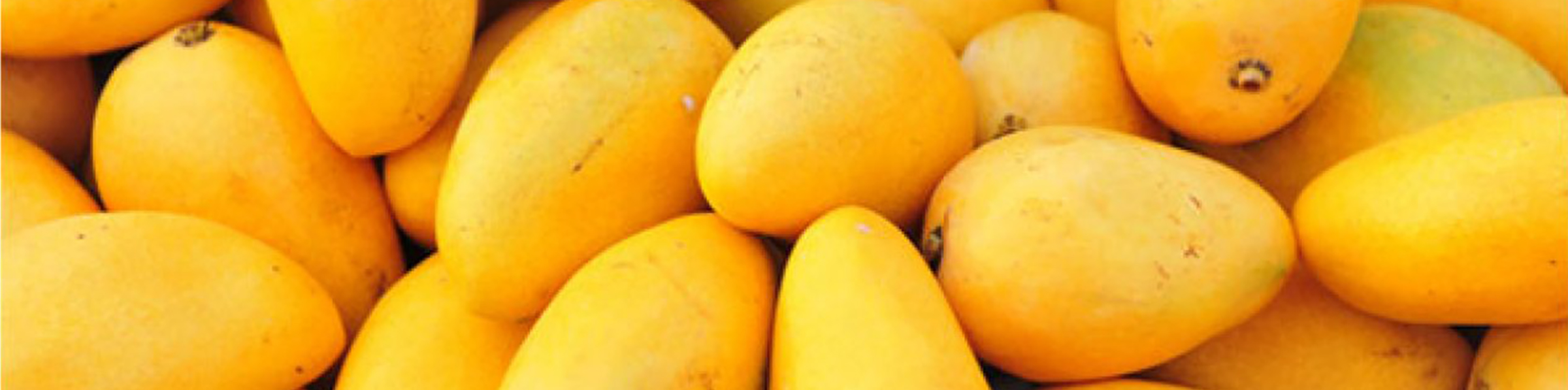


Mangoes, often hailed as the “king of fruits,” are not only delicious but also highly versatile. One of the popular forms of consuming mangoes is in the form of pulp, which serves as a base for a variety of products like juices, jams, and desserts. Ever wondered how that delightful mango pulp ends up in those jars and cartons? Let’s take a journey through the steps of mango pulp processing in a factory to uncover the magic behind this transformation.
Step 1: Harvesting and Selection:
The journey of mango pulp begins with the careful selection of the ripest and juiciest mangoes. Skilled workers harvest the mangoes from orchards based on factors such as size, color, and aroma. Only the best-quality mangoes make the cut for processing.
Step 2: Washing and Sanitization:
After harvesting, the mangoes are washed thoroughly to remove dirt, debris, and any surface contaminants. This step is crucial to ensure the hygiene and safety of the final product. The mangoes may also undergo a sanitization process to eliminate any microbes that could spoil the pulp.
Step 3: Peeling and Deseeding:
In this step, the outer peel of the mangoes is carefully removed. The peeled mangoes are then deseeded to remove the large, flat seed within. This process leaves behind the succulent mango flesh that is the essence of the pulp.
Step 4: Pulping:
The deseeded mangoes are now ready for pulping. They are crushed or pureed to create a smooth and consistent mixture. Some factories use mechanical pulping machines to achieve this, while others may opt for manual methods depending on the scale of production.
Step 5: Heating:
The mango pulp is then heated to a specific temperature. This heat treatment serves multiple purposes: it helps in enzyme inactivation, ensures microbiological safety, and enhances the pulp’s shelf life. The exact temperature and duration of heating vary based on the factory’s standards.
Step 6: Filtration:
To eliminate any remaining fibers, chunks, or impurities, the heated mango pulp is passed through fine mesh filters. This process ensures that the final pulp is smooth, consistent, and free from any unwanted particles.
Step 7: Pasteurization:
Pasteurization is a critical step that involves heating the filtered mango pulp to a specific temperature for a set duration. This step further reduces the microbial load, ensuring that the pulp remains safe for consumption over an extended period without the need for excessive preservatives.
Step 8: Packaging:
After pasteurization, the mango pulp is ready for packaging. It is carefully filled into jars, cans, or cartons, depending on the intended end product. The packaging is designed to maintain the freshness and quality of the pulp while also providing necessary information to consumers.
Step 9: Quality Control:
Before the packaged mango pulp leaves the factory, it undergoes rigorous quality control checks. This involves inspecting the pulp for consistency, color, flavor, and overall quality. Any products that do not meet the factory’s high standards are rejected.
Step 10: Distribution:
The final step involves distributing the packaged mango pulp to retailers, supermarkets, and other points of sale. From there, it makes its way into the hands of consumers who get to enjoy the luscious flavor of mangoes in various culinary creations.
Conclusion:
The journey from a ripe mango to a jar of flavorful mango pulp involves several intricate steps, each carefully designed to preserve the taste, quality, and safety of the product. The next time you savor a sip of mango juice or spread mango jam on your toast, you can appreciate the behind-the-scenes effort that goes into processing mango pulp in a factory.
In fact, starting a mango paste processing business is very simple. If you want to start a related business, you can contact us at any time. We can provide mango pulp production line and solutions. If you want to know more, please feel free to contact us.