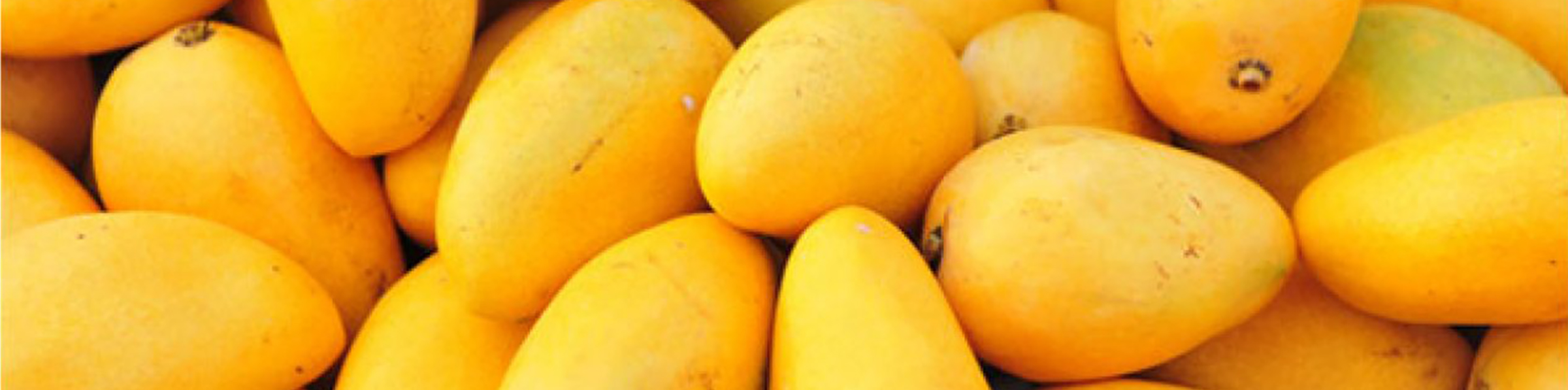


Philippine dried mangoes are a delightful and nutritious treat enjoyed by people all around the world. Their sweet and tangy flavor, combined with their chewy texture, make them a favorite snack choice. Have you ever wondered how these delectable treats are made on a larger scale? In this blog, we’ll take you through the fascinating process of making Philippine dried mangoes in a factory.
Step 1: Sourcing and Selection of Fresh Mangoes
The journey of crafting high-quality dried mangoes begins with selecting the finest raw materials. In the Philippines, mangoes are harvested during peak season when they are at their juiciest and most flavorful. Skilled farmers carefully pick ripe mangoes, ensuring only the best ones are chosen for the drying process.
Step 2: Washing and Peeling
Once the mangoes are collected, they undergo a thorough washing to remove any dirt or residues. Then, the outer peel is skillfully removed, revealing the succulent flesh beneath. The removal of the peel is a crucial step, as it ensures that the final product is smooth and uniform in texture.
Step 3: Slicing and Deseeding
After peeling, the mangoes are sliced into consistent, thin strips. Any remaining seeds are carefully removed, leaving behind the desirable flesh that will become the dried mango slices. Precision in slicing guarantees even drying and enhances the visual appeal of the final product.
Step 4: Pre-Treatment
Before the drying process begins, the mango slices are often treated with a solution containing sugar and citric acid. This step not only adds a touch of sweetness and tartness but also helps preserve the vibrant color of the mangoes. The slices are left to soak briefly, ensuring the flavors are absorbed.
Step 5: Drying
The pre-treated mango slices are then laid out on trays, which are carefully arranged in drying rooms or drying tunnels. Hot air circulation at controlled temperatures removes moisture from the slices, gradually transforming them into the chewy, delectable dried mangoes we love. This process can take several hours, during which the mangoes shrink in size and develop their concentrated flavor.
Step 6: Quality Control and Grading
Throughout the drying process, quality control experts monitor various factors such as moisture levels, texture, and color. Any slices that do not meet the desired standards are removed to ensure only the finest dried mangoes make it to the next stage. The slices are graded based on size, color, and overall quality.
Step 7: Packaging
Once the dried mangoes have been meticulously inspected and sorted, they are ready for packaging. State-of-the-art machinery carefully weighs and packs the slices into various-sized bags or containers. The packaging is designed not only to preserve the freshness and flavor but also to showcase the product’s appeal.
Step 8: Final Inspection and Distribution
Before leaving the factory, a final inspection ensures that every package of Philippine dried mangoes meets the highest standards. Once approved, the packaged dried mangoes are shipped to various markets around the world, bringing the taste of the Philippines to a global audience.
Conclusion:
The journey from fresh mangoes to the mouthwatering Philippine dried mangoes we enjoy involves a series of meticulous steps carried out in a factory setting. From sourcing and selection to packaging and distribution, each stage is carefully orchestrated to ensure the highest quality and delectable flavor. So, the next time you savor a piece of this delightful treat, you’ll have a deeper appreciation for the craftsmanship that goes into making Philippine dried mangoes.
If you want to process dried mango in the Philippines, you can contact us. We will provide you with a dried mango production line, which can provide solutions for the whole process from cleaning to packaging, and can be customized according to your needs.