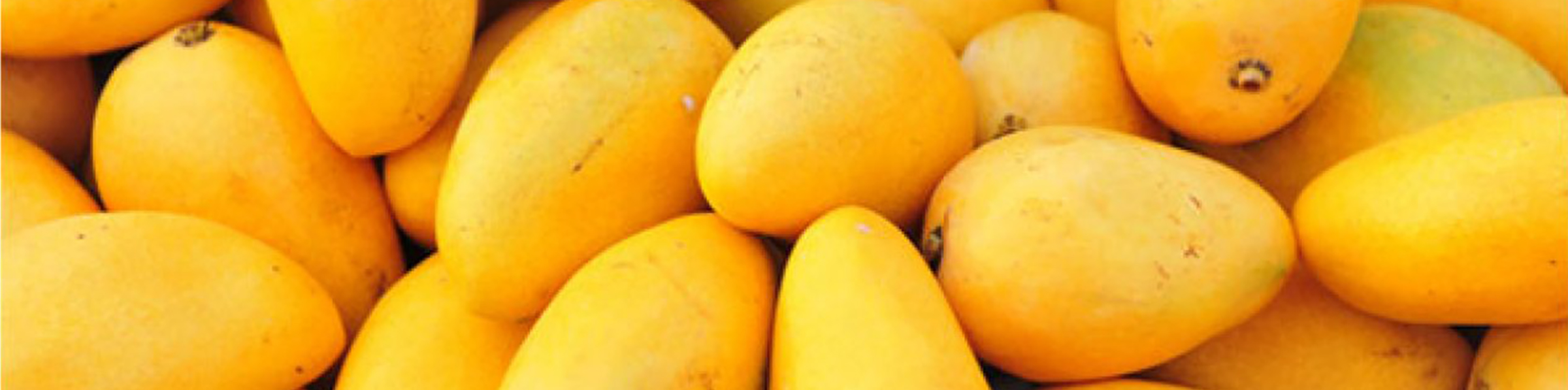


The mango drying process typically involves several stages from raw mango preparation to final packaging.
- Mango Selection
The first step in the dried mango process is selecting high-quality fresh mangoes.
Requirements usually include:
Fully ripe mangoes
No bruising or decay
Uniform size for easier processing
Popular mango varieties used for drying include Tommy Atkins, Kent, and Keitt mangoes because they have firm flesh and high sugar content.
- Washing and Cleaning
Fresh mangoes are thoroughly washed to remove:
dirt
pesticides
surface impurities
Industrial processing plants usually use fruit washing machines with water spraying and bubble cleaning systems.
This ensures food safety before entering the next step of the mango drying process.
- Peeling and Cutting
After cleaning, mangoes are peeled and cut into slices.
Typical cutting shapes include:
Mango slices
Mango strips
Mango cubes
Uniform slicing thickness (usually 6–10 mm) is important because it ensures even drying.
Many factories use automatic mango slicer machines to improve production efficiency.
- Pretreatment (Optional)
Some manufacturers apply pretreatment to improve the final product quality.
Common methods include:
Sugar soaking
Improves sweetness
Enhances texture
Citric acid or lemon solution
Prevents browning
Maintains bright color
This step is optional but widely used in commercial dried mango production.
- Mango Drying Process
The mango drying process is the most critical stage in dried mango production.
During this step, moisture is gradually removed from mango slices until the final moisture content reaches around 12%–18%.
Common drying methods include:
Hot Air Drying
The most widely used method in industrial processing.
Advantages:
Stable drying temperature
High production capacity
Energy efficient
Freeze Drying
Freeze drying produces premium dried mango with better flavor and nutrition but has higher equipment costs.
Solar Drying
Used in small-scale or traditional production but less common in industrial factories.
Typical drying conditions:
Temperature: 55–70°C
Drying time: 10–20 hours
Modern mango drying machines can automatically control temperature, airflow, and humidity.
- Cooling and Sorting
After drying, mango slices must cool naturally to room temperature.
Then the products are sorted to remove:
broken pieces
over-dried slices
uneven products
This ensures consistent quality for the final packaged dried mango.
- Packaging
The final step in the dried mango process is packaging.
Common packaging methods include:
Vacuum packaging
Nitrogen-filled packaging
Sealed retail bags
Proper packaging helps extend shelf life and preserve freshness.
Dried mango products can typically be stored for 6–12 months.
Industrial Mango Drying Equipment
Large-scale factories usually use a mango drying production line to automate the entire process.
Typical equipment includes:
Mango washing machine
Mango peeling machine
Mango slicer machine
Mango drying machine
Sorting machine
Packaging machine
An automated mango drying processing line improves efficiency, reduces labor costs, and ensures consistent product quality.
Advantages of Industrial Mango Drying Processing
Using modern equipment for the mango drying process offers many advantages:
High Production Capacity
Industrial dryers can process hundreds or even thousands of kilograms of mangoes per hour.
Uniform Drying Quality
Precise temperature and airflow control ensure consistent drying results.
Food Safety Compliance
Automated systems reduce contamination risks.
Longer Shelf Life
Proper drying and packaging help maintain product quality for longer storage.
FAQ About the Dried Mango Process
How are dried mangoes made in factories?
In factories, dried mangoes are made through a standardized process that includes washing, peeling, slicing, drying, cooling, and packaging. Industrial drying machines are used to remove moisture while maintaining flavor and color.
What is the best drying method for mango?
Hot air drying is the most commonly used method because it is efficient and suitable for large-scale production. Freeze drying produces higher-quality dried mango but requires more expensive equipment.
How long does the mango drying process take?
The drying time typically ranges from 10 to 20 hours, depending on the slice thickness, drying temperature, and moisture level.
What temperature is used for drying mango?
Most industrial mango drying processes operate between 55°C and 70°C, which helps preserve flavor and nutrients while effectively removing moisture.
Conclusion
Understanding how dried mangoes are made helps explain why dried mango is such a popular fruit snack worldwide. The dried mango process involves careful preparation, slicing, controlled drying, and hygienic packaging to ensure high-quality products.
With modern food processing equipment, manufacturers can efficiently produce large quantities of dried mango while maintaining excellent taste and nutritional value.
For businesses looking to start a dried fruit production line, investing in a reliable mango drying processing system can significantly improve productivity and product quality.