

The global demand for processed fruit products is growing rapidly, and mango remains one of the most commercially valuable fruits. From pulp and juice to dried snacks and frozen cubes, mango processing offers strong revenue opportunities.
Yes, mango processing plants are highly profitable when supported by efficient equipment, stable raw material supply, and proper market strategy.
1. Growing Demand for Processed Mango Products
Mango-based products are widely used in multiple industries:
- Mango pulp for beverages and dairy
- Dried mango snacks
- Frozen mango (IQF) for smoothies
- Mango juice and concentrates
2. Value Addition Increases Profit Margins
Processing mangoes significantly boosts value compared to selling fresh fruit:
- Extends shelf life
- Reduces post-harvest losses
- Increases product value by 2–5 times
3. Key Profit Drivers
Low Raw Material Cost
Factories can use surplus or lower-grade mangoes at lower prices.
Automation
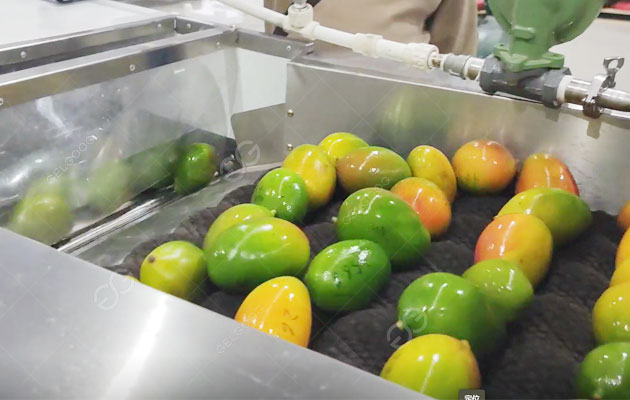
Modern mango processing equipment reduces labor costs and improves efficiency.
Diversified Product Output
One production line can produce pulp, juice, dried mango, and frozen products.
Export Potential
International markets offer higher profit margins and stable demand.
4. Cost Structure
Initial Investment
- Processing machinery
- Factory setup
- Cold storage
Operating Costs
- Raw materials
- Labor
- Utilities
- Packaging
ROI: Typically 1–3 years with proper management.
5. Why Equipment Matters
Advanced fruit processing equipment plays a key role in profitability:
- Higher pulp yield
- Food safety compliance
- Energy efficiency
- Scalable production
6. Challenges
- Seasonal supply
- Market price fluctuations
- Quality standards
Conclusion
Mango processing plants are a profitable investment with strong market demand and high value-added potential. With the right strategy and equipment, businesses can achieve fast ROI and long-term growth.