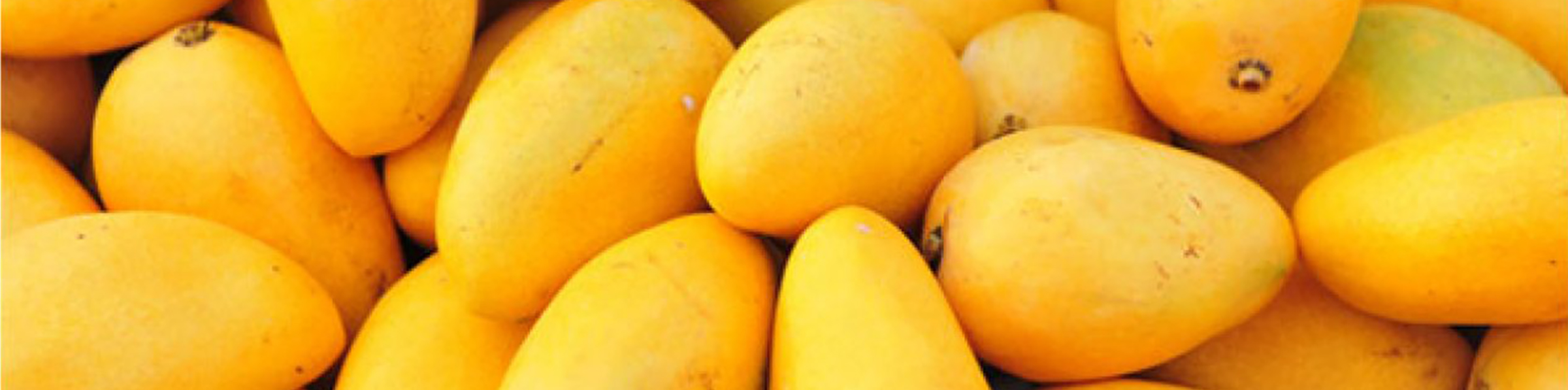


Washing mangoes in an industrial setting is more than just a quick rinse—it’s a systematic process that ensures food safety, preserves fruit quality, and meets strict regulatory standards. Whether you’re processing mangoes for fresh markets, juicing, or canning, proper washing removes dirt, pesticides, bacteria, and other contaminants. Here’s a step-by-step guide to getting it right.
Start with Pre-Sorting and Inspection
Before washing, sort the mangoes to remove damaged, overripe, or visibly contaminated fruits. Damaged mangoes with cracks or bruises can harbor more bacteria and may release juices that contaminate others during washing. Use conveyor belts with manual or automated sorting stations: workers or machines can quickly flag and remove unsuitable fruits. This step reduces the load on the washing system and prevents cross-contamination.
Choose the Right Washing Equipment
Industrial facilities rely on specialized machinery to handle large volumes efficiently. The most common setups include:
Bubble mango washing machine: These use streams of air to create bubbles in water, gently scrubbing the mangoes’ surface. The agitation loosens dirt without damaging the fruit’s delicate skin.
Spray washers: High-pressure water jets (adjusted to 10–15 psi to avoid bruising) target the mangoes as they move along a conveyor. This is effective for removing surface pesticides.
Brush washers: Soft-bristled brushes rotate against the mangoes, dislodging stubborn dirt or debris, often used in combination with water sprays for deeper cleaning.
Many factories combine these methods—for example, a bubble wash followed by a spray rinse—to ensure thoroughness.
Control Water Quality and Temperature
The water used for washing is critical. It must be potable (drinkable) to avoid introducing new contaminants. Some facilities treat water with chlorine (at 50–100 ppm) or other food-safe sanitizers to kill bacteria like E. coli or Salmonella. However, sanitizer levels must be carefully monitored to prevent residue on the fruit.
Water temperature should be slightly warmer than the mangoes (around 20–25°C / 68–77°F). This prevents the fruit from absorbing water, which can lead to spoilage or texture changes.
Rinse and Dry Thoroughly
After the initial wash, a final rinse with clean, sanitized water removes any remaining detergent or sanitizer residue. Mangoes are then dried to prevent mold growth during storage or transportation. Industrial dryers use gentle air flow—avoiding high heat, which can soften the fruit—to remove surface moisture without damaging the skin.
Proper industrial mango washing balances efficiency with food safety, protecting both consumers and the quality of the fruit. By following these steps, factories can ensure their mangoes are clean, fresh, and ready for market.