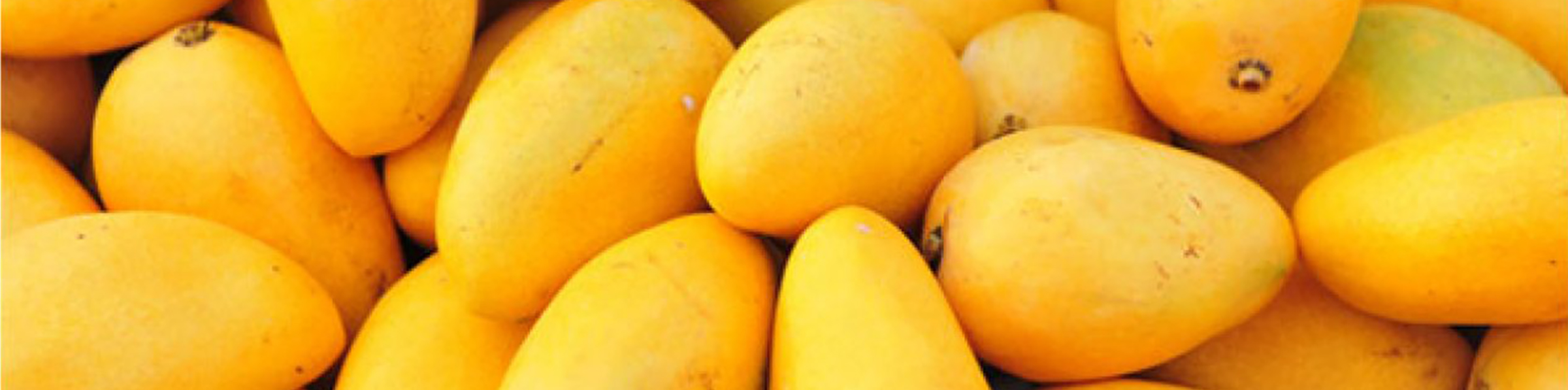


Dried mangoes are a delightful and nutritious snack that captures the sweet and tangy flavor of fresh mangoes while extending their shelf life. Using a dehydrator is an efficient and easy way to dry mangoes, preserving their natural goodness for year-round enjoyment. In this guide, we’ll walk you through the process of drying mangoes in a dehydrator, from selecting the right mangoes to storing your dried treats.
Step 1: Choose the Right Mangoes:
Start by selecting ripe and flavorful mangoes. Look for mangoes that are firm, slightly soft to the touch, and have a strong aroma at the stem end. Ripe mangoes will yield the best flavor and texture in your dried snacks.
Step 2: Wash and Peel:
Thoroughly wash the mangoes under cool running water to remove any dirt or residue. Using a sharp knife, carefully peel the skin off the mangoes. This step is important to ensure even drying and to avoid any bitter flavors that the skin might impart.
Step 3: Remove the Flesh:
Slice the mango flesh away from the pit. You can do this by cutting along the flat sides of the pit. Cut the mango into thin, uniform slices or strips, about ¼ inch thick. This will help ensure that the mango dries evenly.
Step 4: Pre-Treatment (Optional):
For added flavor and to prevent browning, you can pre-treat the mango slices before drying. You can dip them in a solution of lemon juice and water (1 part lemon juice to 3 parts water) for about 5 minutes. This step is optional, but it helps maintain the vibrant color of the mangoes.
Step 5: Arrange on Dehydrator Trays:
Lay out the mango slices on the dehydrator trays in a single layer. Make sure to leave space between the slices to allow proper air circulation. This will help the mangoes dry evenly and prevent sticking.
Step 6: Set Dehydrator Temperature and Time:
Consult your dehydrator’s user manual for recommended temperature and time settings. Generally, the temperature for drying mangoes ranges between 125°F to 135°F (52°C to 57°C). Drying time can vary based on factors like the thickness of the slices, humidity, and the dehydrator’s efficiency. It typically takes around 8 to 12 hours for mangoes to dry completely.
Step 7: Check for Doneness:
Check the mango slices periodically for dryness. They should be pliable but not sticky when touched. You’re aiming for a leathery texture, with no visible moisture. If needed, you can rotate the trays or rearrange the slices to ensure even drying.
Step 8: Cool and Store:
Once the mangoes are dried to your desired consistency, turn off the dehydrator and let the slices cool completely. Proper cooling helps prevent condensation inside the storage container. Transfer the cooled mango slices to airtight containers or resealable bags. Store them in a cool, dry place away from direct sunlight.
Step 9: Enjoy Your Dried Mangoes:
Your homemade dried mangoes are now ready to enjoy! These sweet and chewy treats make for a nutritious snack on their own, or you can add them to trail mixes, yogurt, cereal, or baked goods.
Conclusion:
Drying mangoes in a dehydrator is a simple and rewarding process that allows you to savor the flavors of this tropical fruit year-round. By following these steps, you can create delicious and wholesome dried mango snacks that are sure to become a favorite among your family and friends. Get creative with flavors by experimenting with different spices or coatings, and you’ll have a versatile treat that’s perfect for any occasion.
If you want to start a dried mango processing business, you need a dried mango processing line. You can contact us at any time. We can provide you with a solution for drying mangoes. Contact us now to start your mango processing business.
Ordering Mango processing plant for drying
Medium or samall available scale
Thank you for your message. Which country are you using? Can you send me your specific needs by email or WhatsApp?Email:skena@machinehall.com
Phone/wechat/whatsapp:+8618595613260